Very interesting, thanks for your thoughts Thor and Mary.
2 Likes
Congratulations!
The best advice I got when I first took on an allotment was that ‘everyone has their way’, and that is very true.
My advice is to tackle things area by area, and try to cover up areas you are not woking on yet with something (cardboard, tarpaulin etc) until you are ready to work that area. This will keep the weeds down in those areas and makes things look more manageable.
I dug my plot over initially and painstakingly removed the couch grass ans bindweed roots. I’ve pretty much eliminated the couch grass but have the odd bit of bind weed but it’s ok now. Keep in mind if you turn earth over that is you break roots for these you make more of them, so do try to remove the roots as you go.
I’ve not dug the soil over the last 2 years though and as Nick mentioned above, would recommend looking at no dig. For an area you have not worked on yet, put cardboard down, wet the cardboard and cover in manure or compost. You can then plant straight into that, and / or as Thor says use raised beds (I’d put the cardboard down first same principle - needs to be brown cardboard not shiny, not tape etc).
Charles Dowding is one of the current no dig leaders - his youtube channel is excellent: https://charlesdowding.co.uk/
Good luck!
2 Likes
Good stuff. Thanks for the tips.
1 Like
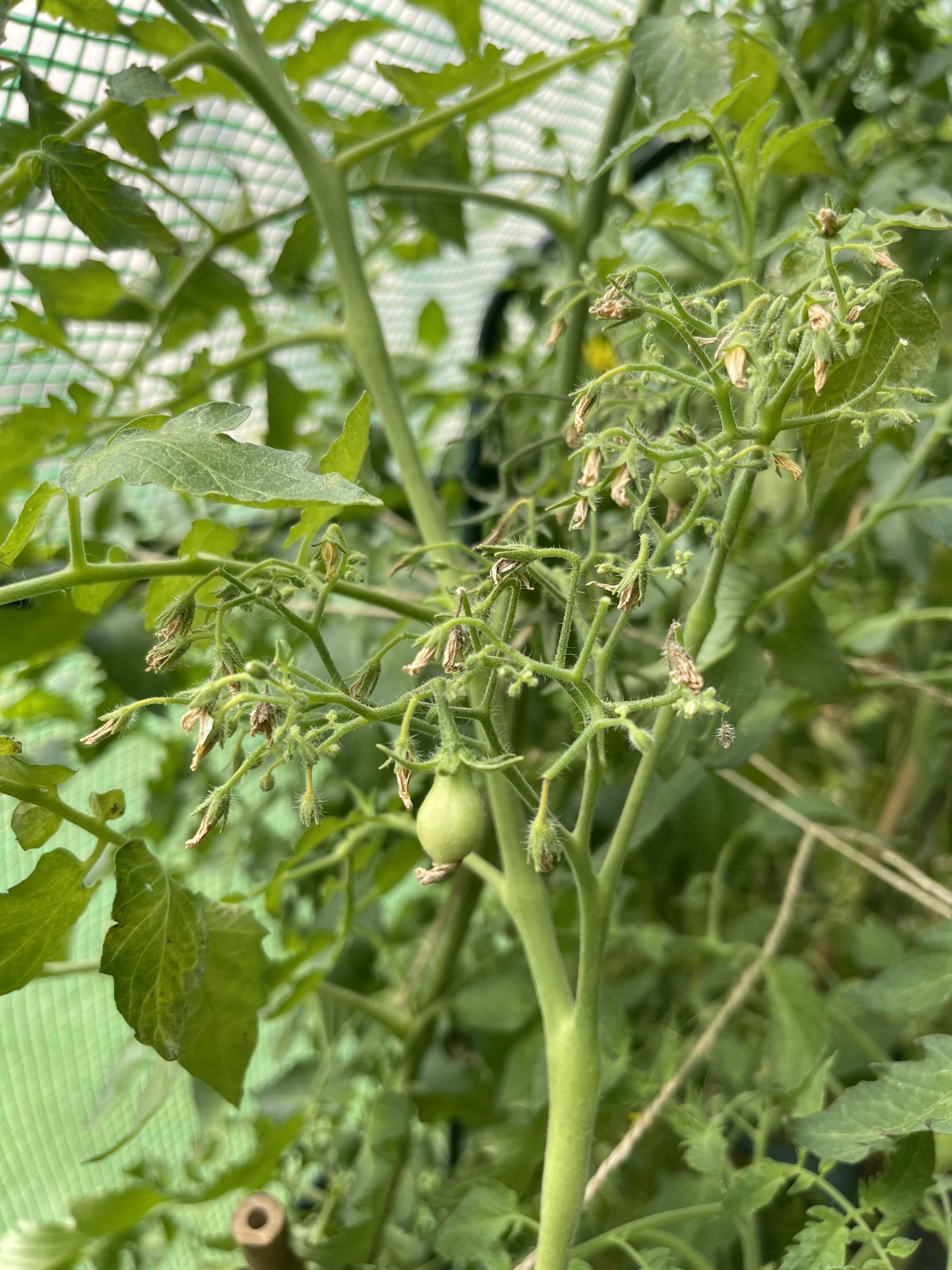
Some advice would be very welcome. I’m a first time greenhouse tomato grower. My plants (all grown from seed over the spring) are mostly doing well but the tops of a couple are looking a bit fried.
I water every other day and the door of the greenhouse is up to get air in. Do I need to shade these a bit?
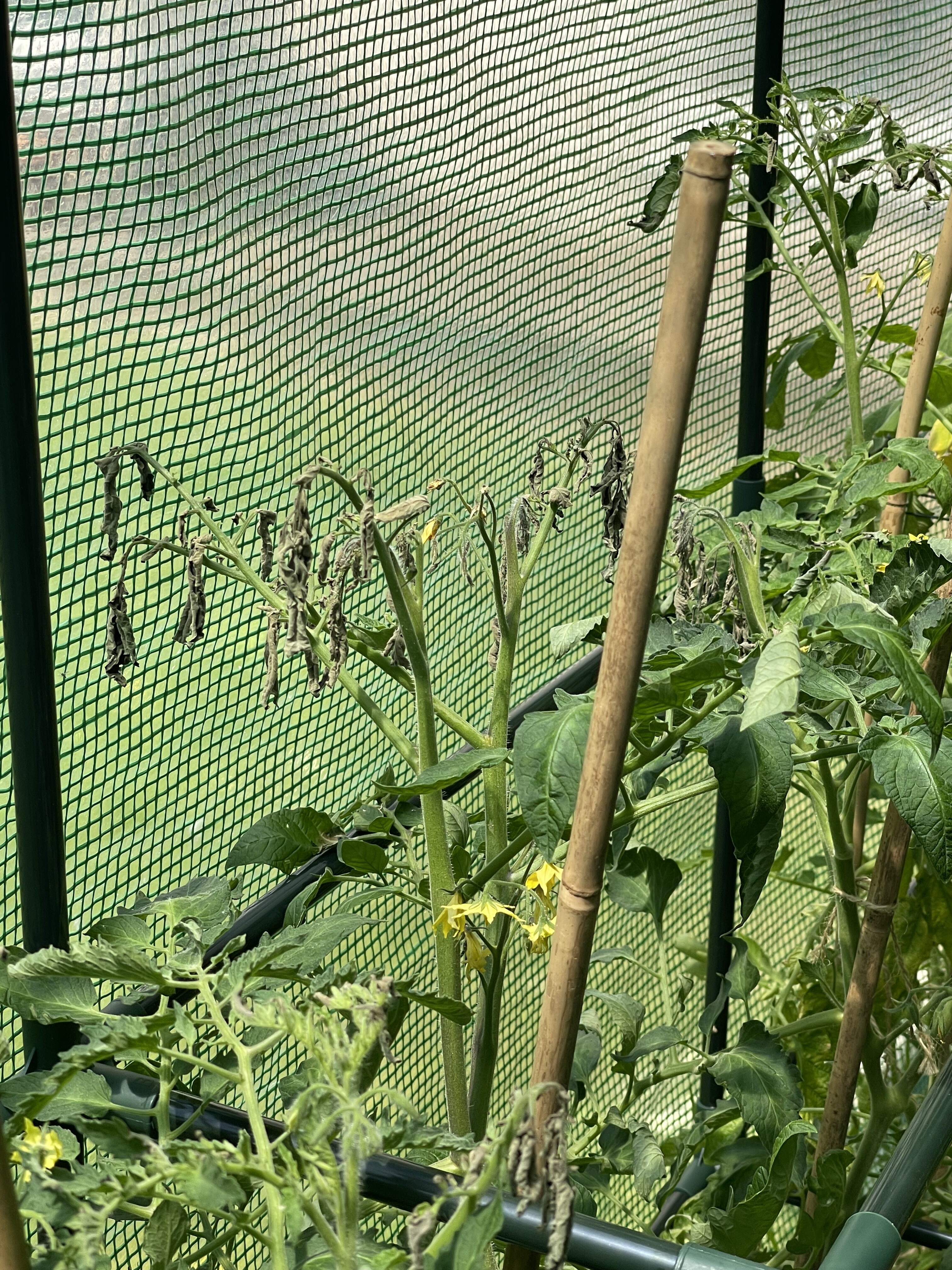

Sorry for the late reply, how are they now?
They don’t look great, they can get wilted from heat and curl, and I think also from overwatering.
Worse case let a sideshoot grow a bit, cut if off and put it in water, it will grow roots, then plant it and either keep as a backup plant or replacement.
The weather has been awful for toms this year unfortunately.
Thanks for the reply, I’ll cut off the blackened bits and hope for the best! The rest of the plants in both circs are looking good. And I’ll cut back on the watering a bit! I was more worried about them drying out than anything else!
1 Like
If you cut off the growing tips the plant won’t grow higher, so if you do that maybe let a side shoot grow and become the new leader as such. I take it they have not recovered.
I think more plants die from overwaterting than underwatering, it’s hard when it’s been this hot and I grow mine outside generally so not so sure about greenhouse ones.
2 Likes
They look as if they have got too hot in the greenhouse if you ask me. But then again if it has only happened to one or two then may be that’s not it. Having re-read what I just wrote its pretty clear you wont get much help from me. Perhaps I ought to have just said nothing and left it the experts on here !
1 Like
That is a bit odd. I have burnt toms in a similar way in a similar environment but the tops were touching the roof and it was a super hot day. I can only think that a sudden change in temps damage the tops that were not used to it.
1 Like
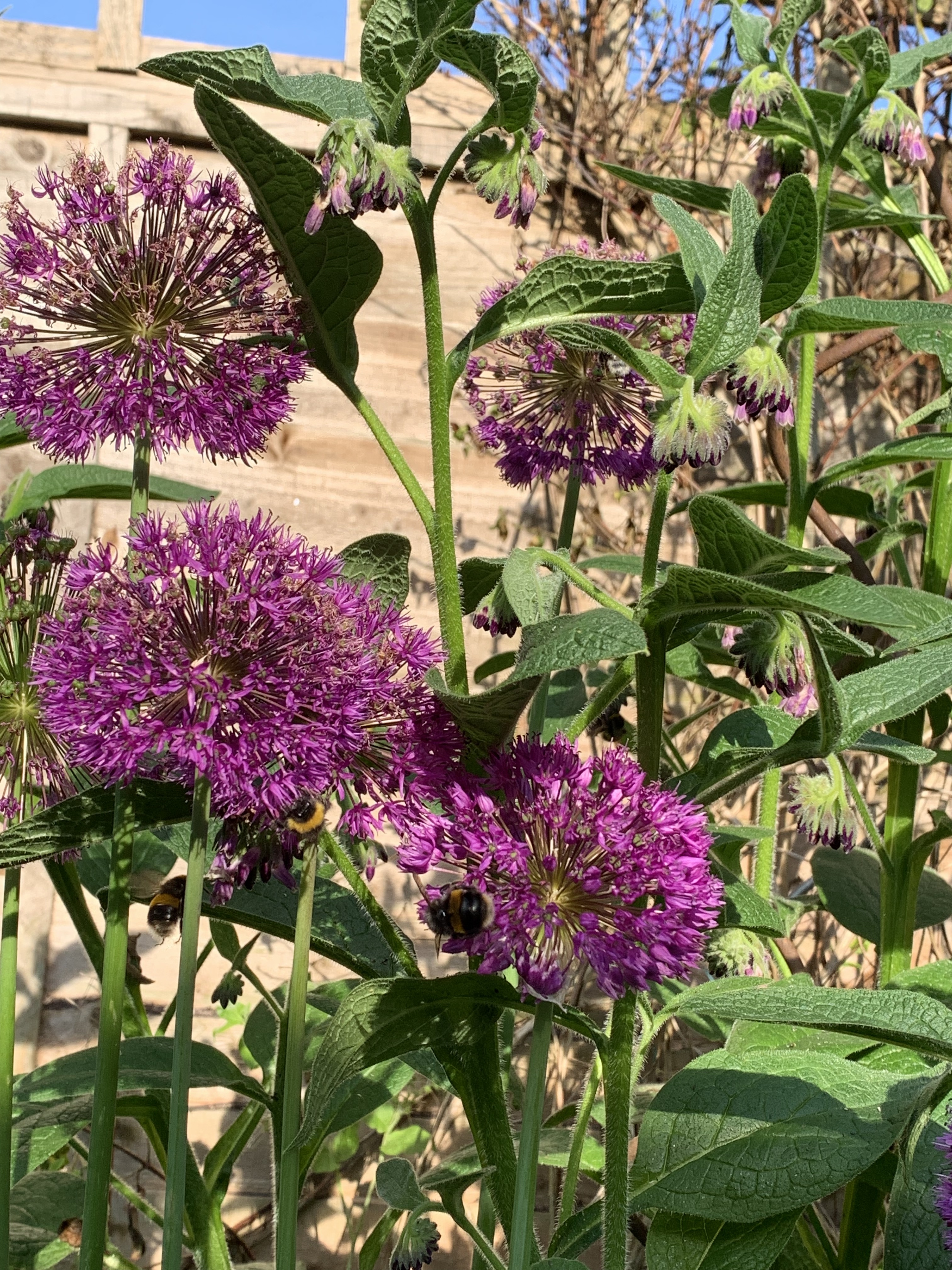
I want to share some of my love for Chives, not only good to eat but beautiful flowers also loved by pollinators. I have row of lavender with big gaps and think I will interplant next year with Chives.

Whilst not a great year for many things due to the cold in April and May, the peas seem to have loved it. My Spanish ones are looking great and Alderman I am trying for the first year are huge plants, though germination was lower.

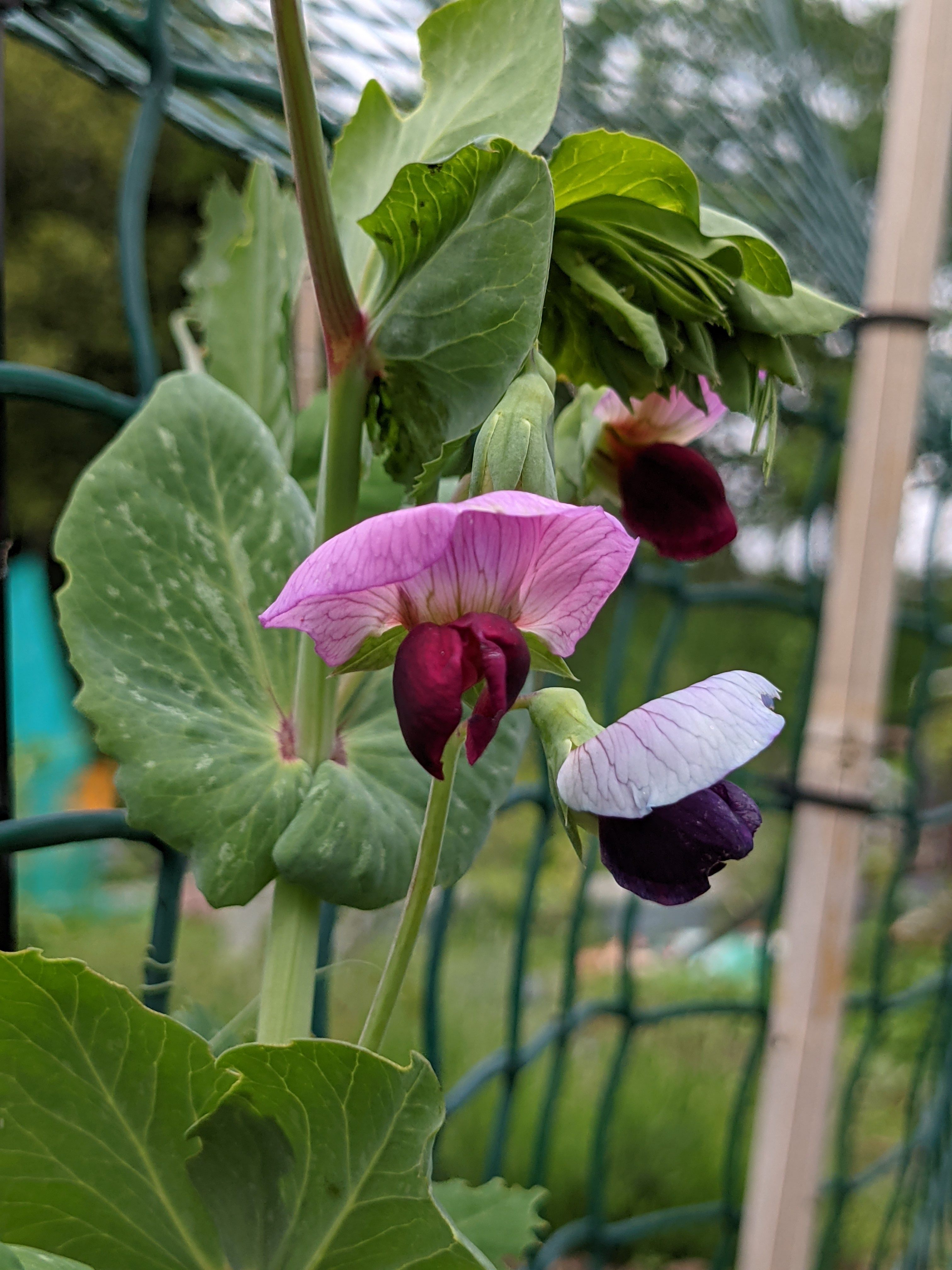
My heritage Kent Blue peas are having mixed fortunes, out of 4 planted only 2 remain, but they have started producing some beautiful flowers. Of I manage to keep them going and save enough seeds for next year and anyone wants to try them DM and I will try and save a few. I think they are sugar snap type.
My tomatoes are in the main still looking a bit sorry for themselves but hopefully will perk up in June, I left mine a bit too long in pots desperately hoping the weather would improve, which it didn’t until very recently.
5 Likes
We have tons of bumbles this year - but absolutely no honey bees. I assume someone used to have a hive on the allotments by the station & doesn’t anymore this year?

4 Likes
I wonder if it’s been tough for honey bees also with the cold? Hopefully numbers will increase with this improved weather and the familiar buzzing sound will return!
2 Likes

They are huge! Well done and pleased the sideshoots have continued.
I can’t wait for the first fresh tomato, I have some fruit now, though nowhere near ready.
I also have quite a few natural splits which I am never sure whether to cut off or leave, I tend to do a bit of both dependant on space and if I can get a cane into the ground, so like this:

Lots of normal sideshoots starting to come through now which need to go.
2 Likes
Has anyone else noticed their strawberries are fairly unflavourful this year? My working theory is it was due to the wet May. If you are growing tasty strawberries - what are you feeling them?
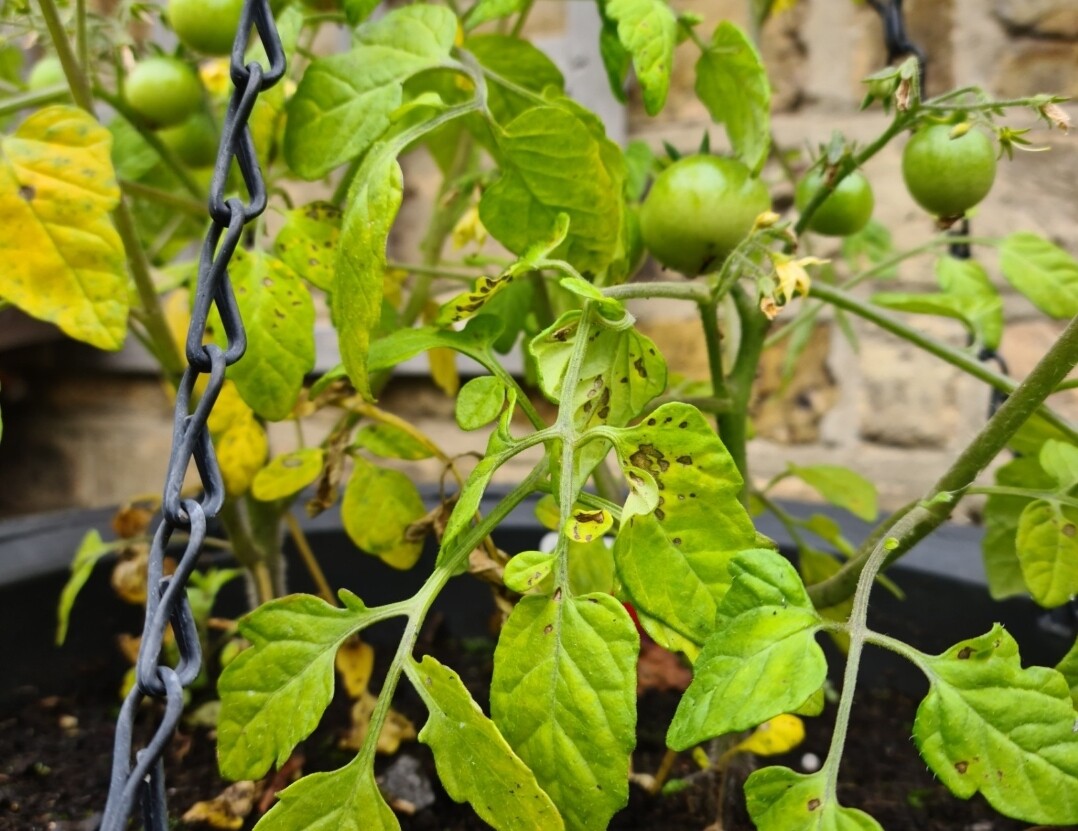
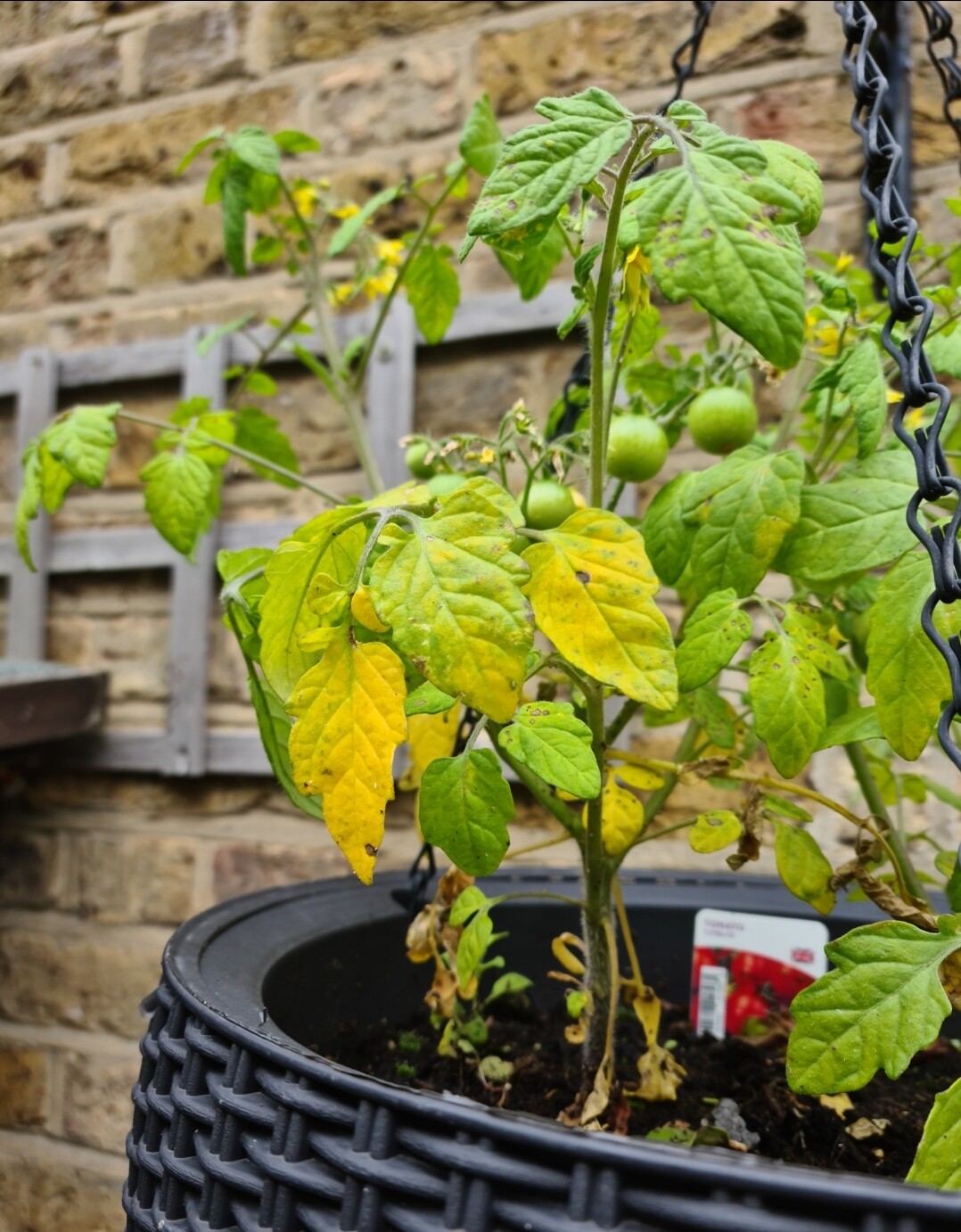
Leaf spot rather than blight ? I’d remove the leaves affected though, water from below and keep a close eye on it.
2 Likes
Looks like we have blight at the allotment on most potatoes, and some think on their toms also, I am think I might have it on one plant which means in a week or 2 likely all wiped out with no ripe fruit, unless I get.lhcky or have miraculously developed some blight resistant strains.
Weather has been perfect for blight I guess.
Think I might invest in a polytunnel next year.
Ongoing RHS trials reveal that organic slug pellets perform as well as toxic synthetic chemical ones – especially on hostas. This is good news for organic growers.
Organic slug pellets contain Ferric Phosphate or Iron III phosphate as an active ingredient. Called Ferramol, it affects the calcium metabolism in the gut system of snails and slugs causing them to stop feeding and die within three to six days. Only these species are targeted, causing no ill effects to other creatures. Any uneaten pellets will eventually break down into phosphate and iron which will then be taken up as nutrients by surrounding plants. Ferramol does not have any ‘side effects’. If the pellets (or the slugs which have eaten them) are eaten by birds, mammals etc, they will suffer no adverse effects. However, use sparingly.
1 Like