I have to say some of the developments have been truly stunning over the past 10 years, Battersea is quite incredible, but for the wrong markets sadly. But then I guess when an area has such a high price tag, that’s what happens.
I agree though, there are some areas which can survive heavy, well considered development, then there are others which are a little too fragile to remain in tact after such builds.
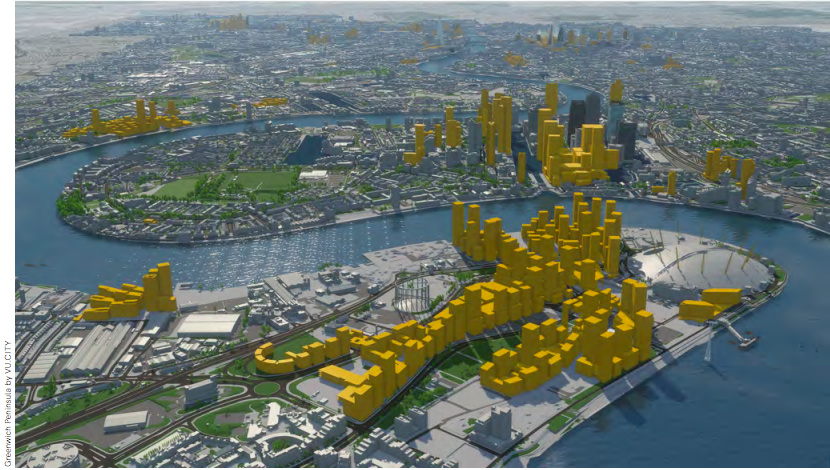
Leon is right. The report includes buildings in both pre-planning and planning. A significant number have received permission but there are still a lot of hoops to jump through before beginning construction, financing being a fairly major obstacle. Regardless, there will be a lot of tall buildings and the skyline of London will change.
Weirdly the West End is the one area that won’t change as there is a height restriction on new construction. Centrepoint is in itself an aberration. A lot of the new buildings are concentrated in East London particularly in Wood Wharf, Greenwich Peninsula and Stratford. Central development is focused around Kings Cross, Battersea/Nine Elms and Paddington.
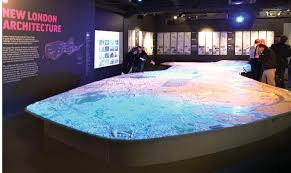
By the way, if anyone wants to see a great 3D model of what London will look like with all this development check out the New London Model at the Building Centre by Tottenham Court Road.
Its a good point. I was at the launch of the Tall Building Study last year and view corridors were discussed. While I think these are strongly reinforced, there was some discussion on general loss of views of the historic city.
I recall that the final design of the Leadenhall Building (Cheesegrater) and 20 Fenchurch Street (Walkie Talkie) was determined to preserve the view corridor to St. Paul’s.